

The Benefits of Having an EICR Certificate
Landlords are responsible for the security of their tenants, and as a result, it is essential that rental properties meet certain electrical standards.
The standards aim to lower the risk of fires and electric shocks, by ensuring that all electrical fittings and installations are in good in good condition. The most recent regulations require landlords to carry out an EICR test on their property every five years.
Legal Protection
If a fire or electrical shock results in injury or damages to an occupant, you can use your EICR certification as evidence that you took all the necessary steps to ensure the safety of all who lives or works in the building. This can help to minimise damages and legal costs by proving that you have not neglected your duties as an owner of a business, or landlord.
electrical certification uk require that companies and landlords have their electrical systems tested on a regular basis. Failure to do so may cause you to lose your insurance and could put you in financial difficulties and could lead to an action in court.
If your company has an oven that has an electric burner and you don't examine it on a regular basis, it's likely that it could fail during an fire. This could cause severe damage to your kitchen, as well as customers' food.
It is vital to arrange an electrical inspection with an electrician. This gives you the confidence that your electrical system is in good condition and won't cause any problems in future.
The Electrical Safety Standards in the Private Rented Sector in England Regulations 2020 came into force on July 1st, 2020. This means that an EICR is required for all landlords in England and Wales. This obliges all properties to be examined every five years and that tenants obtain a valid EICR prior to beginning a new tenancy.
Landlords will have 28 days to provide an original copy of the EICR to tenants in their possession and must give it to prospective tenants before they move into the property. The local authority may charge a fine of up PS30,000 or arrange the necessary remedial works.
The eicr certification should only be completed by electricians who have the required qualifications. It should contain a comprehensive report that lists every electrical appliance in the home, as well in any repairs or faults. It should include a current schedule of tests as well as any recommendations for additional work.
Energy Efficiency
As electrical systems age, they will begin to experience issues that could be costly to fix. These issues can be identified and rectified by regular EICR inspections.
This is especially crucial for rental properties where the energy costs are high. Landlords can cut down on carbon emissions and save money by following the EICR's recommendations.
Privately rented properties must submit an Electrical Installation Condition Report (EICR), every five years, and provide copies to all tenants as part their tenancy agreement. This is an excellent method to make sure your tenants are safe in their property.
A properly qualified person will perform the EICR. electricity certificates will list any damage, deterioration or issues that are found and recommendations for improvement to ensure the safety of your tenants. The inspector will highlight any issues in the report with an "FI" code. This implies that additional investigation is required before an appropriate solution is found.
When the work is completed and the report has been accepted as satisfactory, the landlord must send a written acknowledgement to the tenant and the local authority that the work was completed. If any further investigative work is required, it should be completed within 28 days or a shorter period according to the report.
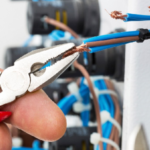
In addition to testing the electrical system, an EICR will also check whether the appliances in your home are in a safe and legal state of use. This could include things such as lamps, TVs and toaster toasters, which could all fail if not maintained properly.
This is an essential element of being a responsible landlord. It can help you save time and money in the future. Not only will you keep your tenants safe, but also saving yourself money on potential for damage and legal fees in the event of an electrical fire or electric shock.
Peace of mind
Eicr certificates can give peace of mind for you and your property. If you own or lease out your property, the last thing you want to deal with is an electrical fire or accident that could result in costly repairs.
The most recent regulations include an obligation for private landlords to have an EICR in place by April 2021, making it imperative that you get one done before the big day. electrical testing certificate does it demonstrate that you care about your property as well, but it also demonstrates to those who live there or business that you've put safety first.
Achieving an EICR certificate isn't a simple task however, it's an excellent investment for any property owner or property manager, as well as tenant. A reliable EICR will help save money in the long-term because it identifies potential problems which could have been prevented with a little planning and effort.
A qualified engineer should conduct an EICR on properties where people are likely to live or work. This will also provide you with more details about the state of your electrical system which in turn will help you make informed choices regarding maintaining your property's safety and reduce your carbon footprint in the process.
It's not difficult to see why an EICR certificate is the smartest and most effective investment you can make for your home. If you are looking to purchase the best EICR make sure to contact us today to find out more about how it can improve your property.
Reduced risk
All landlords of private tenants must get an electrical installation condition report (or EICR) to ensure that their electrical installations remain safe for tenants. If the premises are used for commercial purposes the EICR must be maintained and updated at minimum every five years.
An EICR inspection is a process that involves an electrician examining and testing the electrical system of your home to determine whether it complies with BS 7671 standards for safety. The inspector will then issue a report that summarizes the findings of their inspection.
This will inform you about potential hazards and identify any issues with the electrical system on your property. The electrician could suggest that you immediately make corrective steps or isolate the circuit until repairs can occur.
Your electrician will provide you with a comprehensive report that includes their observations as well as any suggestions and solutions for the issues they identified. You will also receive a breakdown of all defects found, and four error codes (C1, C2, FI, and F) providing the degree of risk that exists.
C1 - Take immediate action. Your electrician will fix or resolve the issue as soon as possible in the event of a C1. This will ensure that your tenants do not suffer any injuries or damage due to the issues they're experiencing.
A timeframe for the remedial work must be specified in the report. In most instances, this will be 28 days, however should your report specify a different date, it is imperative that the work is completed in this time frame so that you do not risk further damage.
You should ensure that any remedial work is carried out by a skilled professional in order to avoid any legal issues down the line. The certified professional must have an inspection and test qualification in place, as well as relevant experience.
A good quality EICR will also point out any areas for improvement that could reduce your energy consumption and reduce your carbon footprint. This will reduce your energy costs and can even save you money in the long term.